Founder & Lead Developer
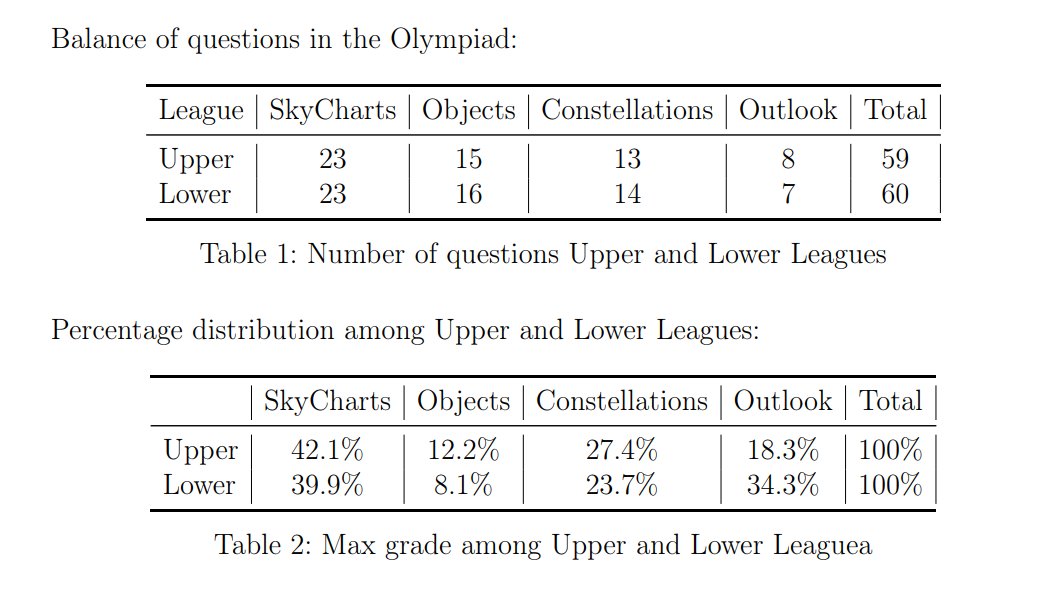
I Observational Olympiad
AstroCup
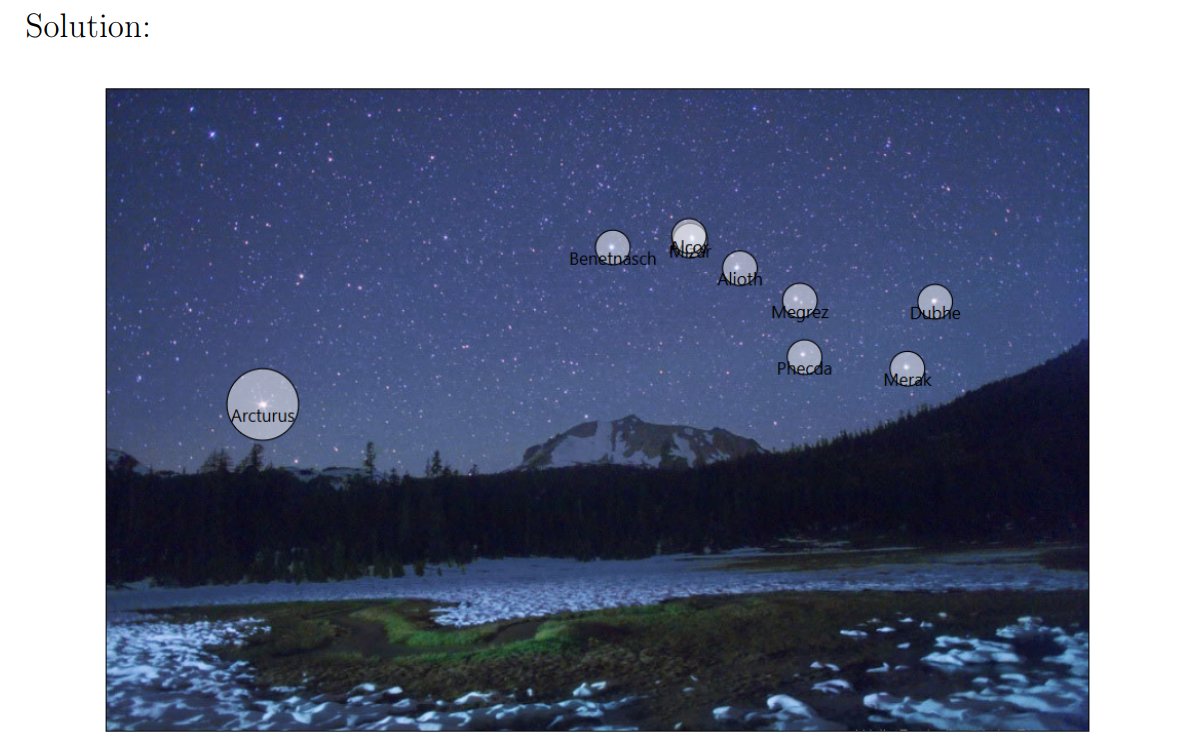
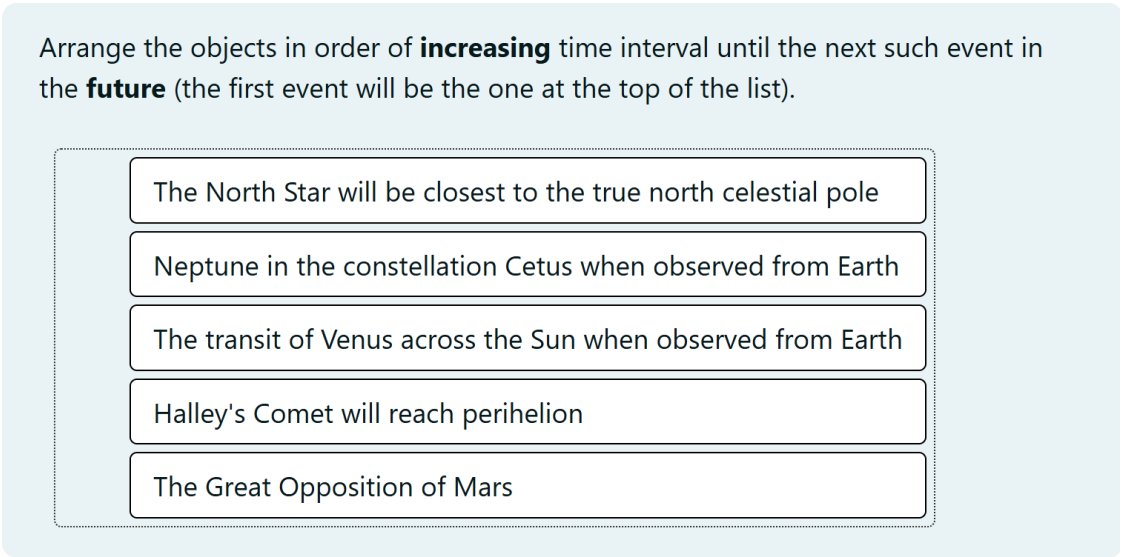
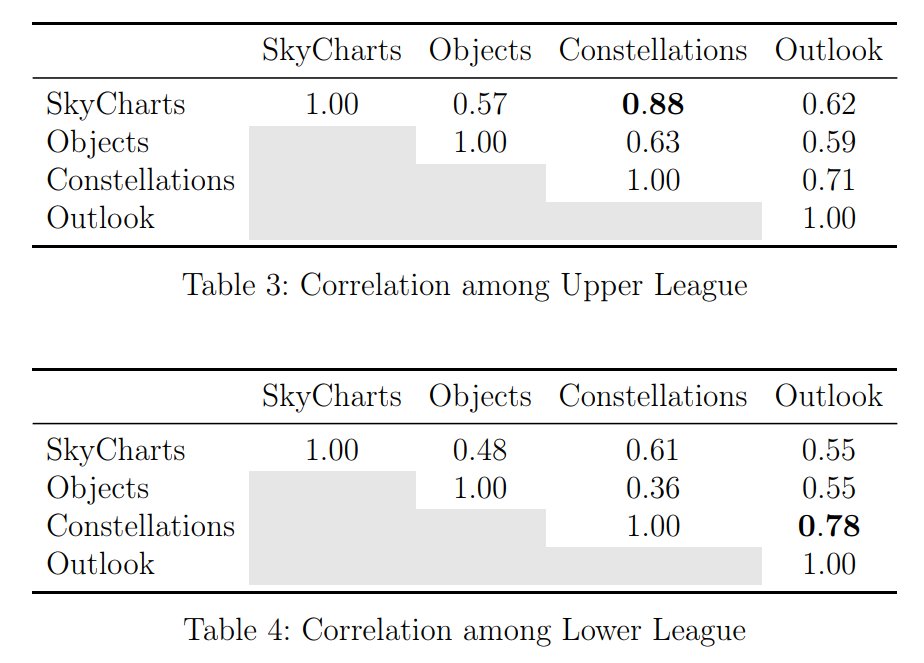
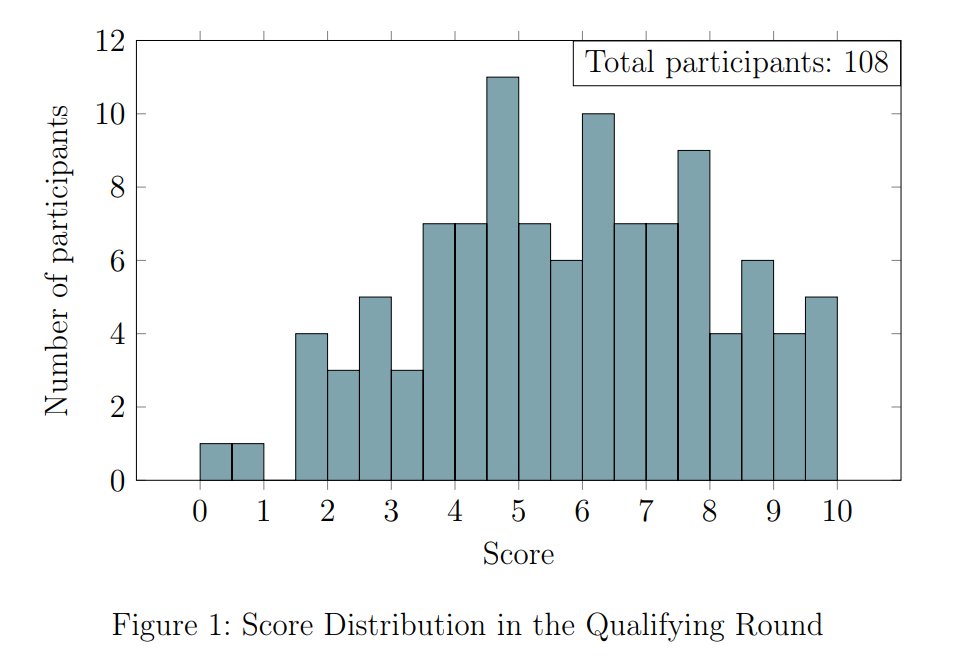
An international online platform for astronomy olympiads and science popularization. I coordinated a team that built the website and the problem sets and ran two annual contests: the Observational Olympiad and AstroCup, its theoretical counterpart.
It was the largest platform in Russia for observational astronomy (because the majority of problem compilations skip this field) and hosted courses and contests for both the Moscow Region and Kaliningrad Astronomy Teams.
Tutor & Assistant to Professor
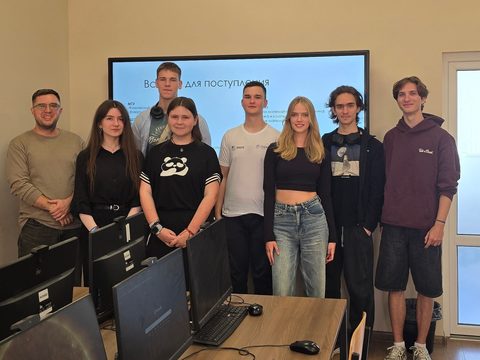
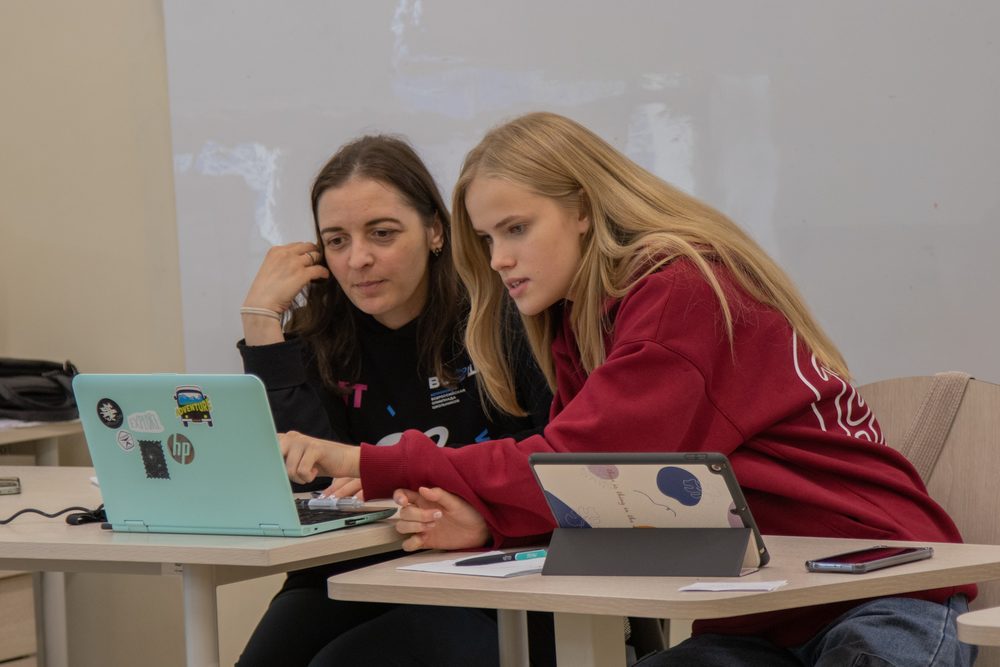
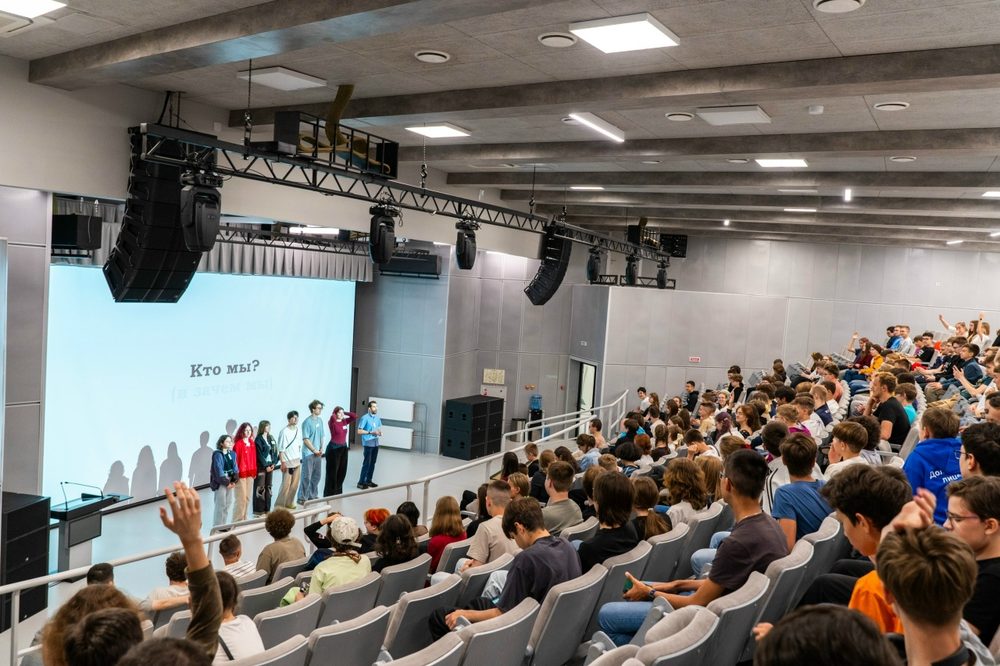
Astro Society ↗The Astronomical Society at Immanuel Kant Baltic Federal University. Over three years I led more than 60 lectures, seminars, and master classes, and helped build the society's new website and its interactive games.
I also help organise observation nights and other events for the society, including open classes.
Instructor & Mentor
Camp Page ↗Team Teacher
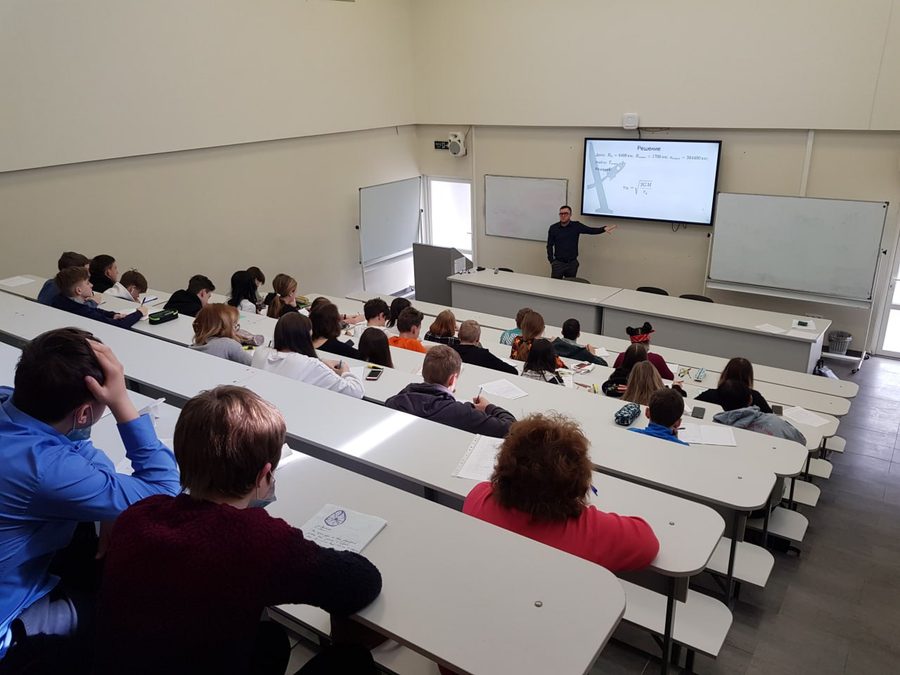
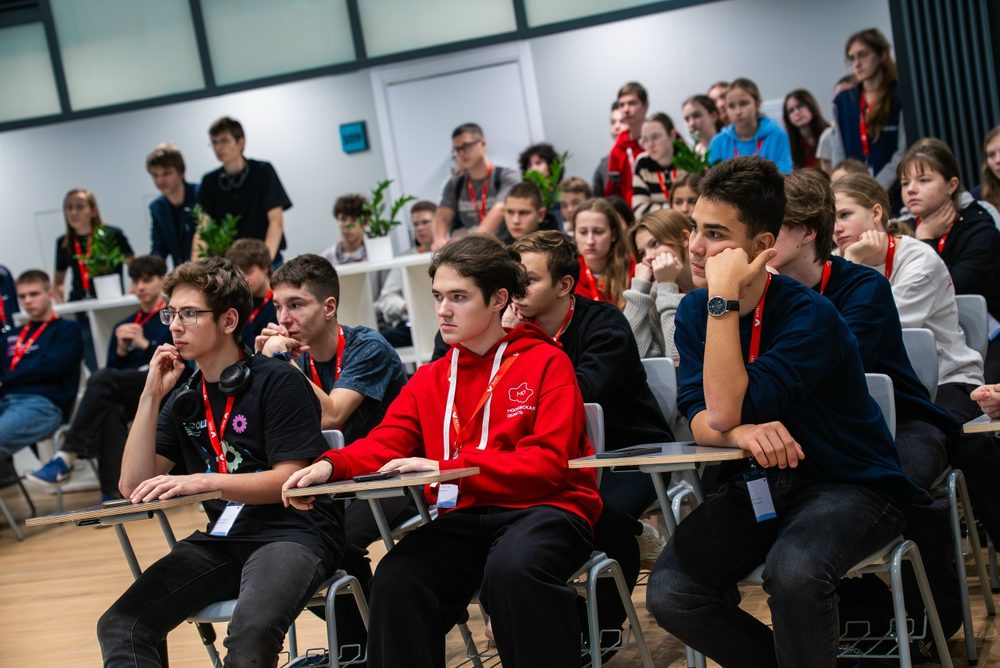
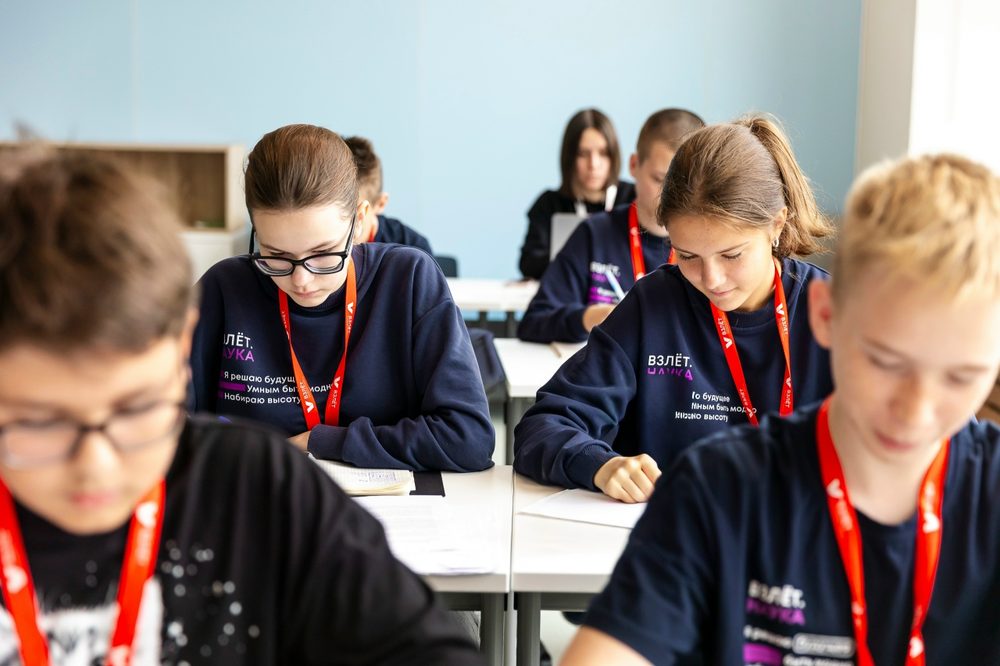
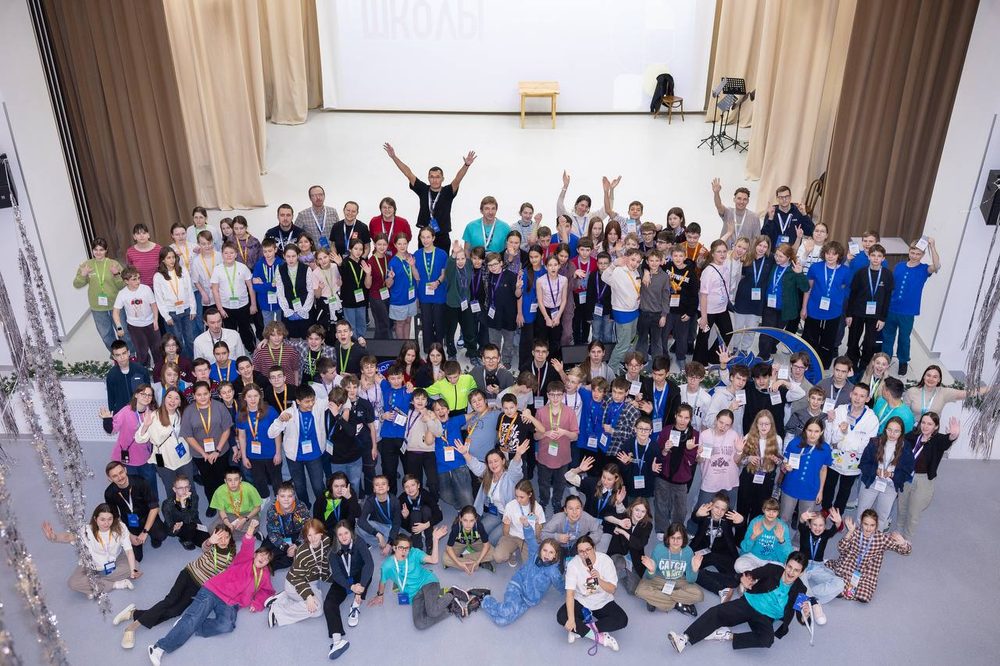
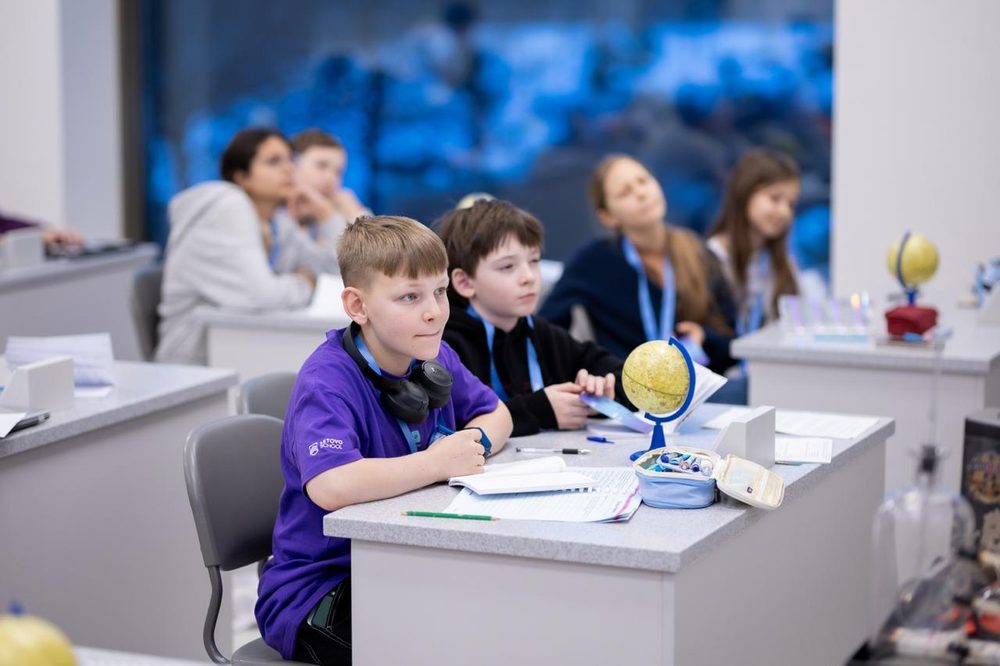
Moscow Region Camps ↗I coach the Moscow Region Astronomy Team, one of the largest regional teams in Russia. In the 2025-26 academic year I taught at six official training camps and gave about 50 classes. So far in 2026-27 I've taught about 15 classes and am running two online courses, on spherical astronomy and celestial mechanics, 6 hours per week. I mostly teach grade 9 and cover astrophysics, spherical astronomy, and practical tasks.
Astronomy Branch Manager & Task Writer
Telegram ↗JustScience is a channel run by olympiad winners sharing study materials, resources, and outlines for competitive astronomy and science.
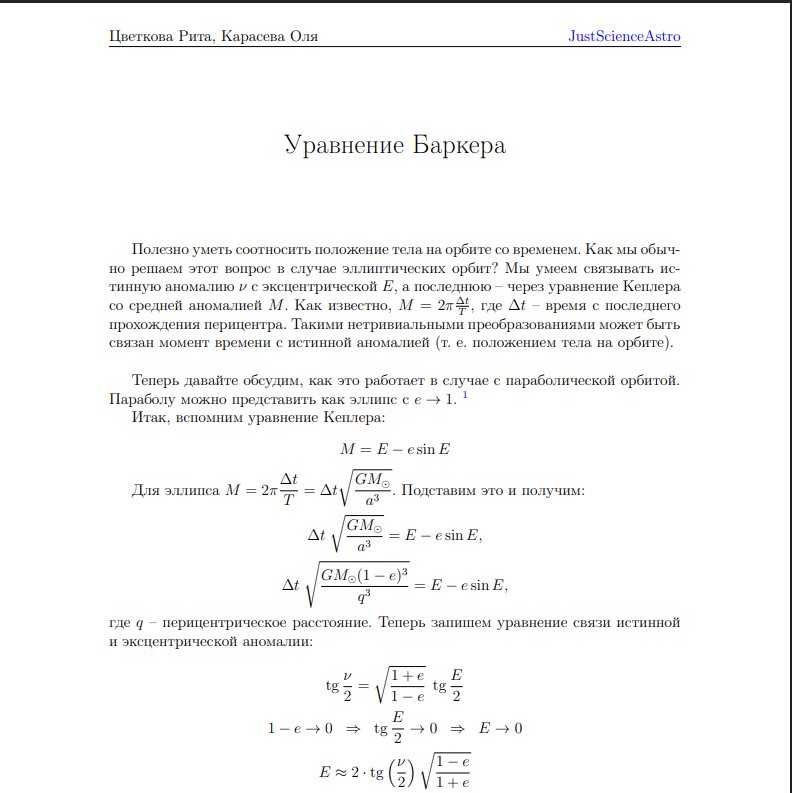
As Astronomy Branch Manager, I wrote 8 lectures on advanced olympiad topics and managed the publication of problem solutions and other posts across the channel. It has been cited by top astronomy teachers nationwide.
Astrophysics Content Developer
Letovo Astro Events ↗Team Lead
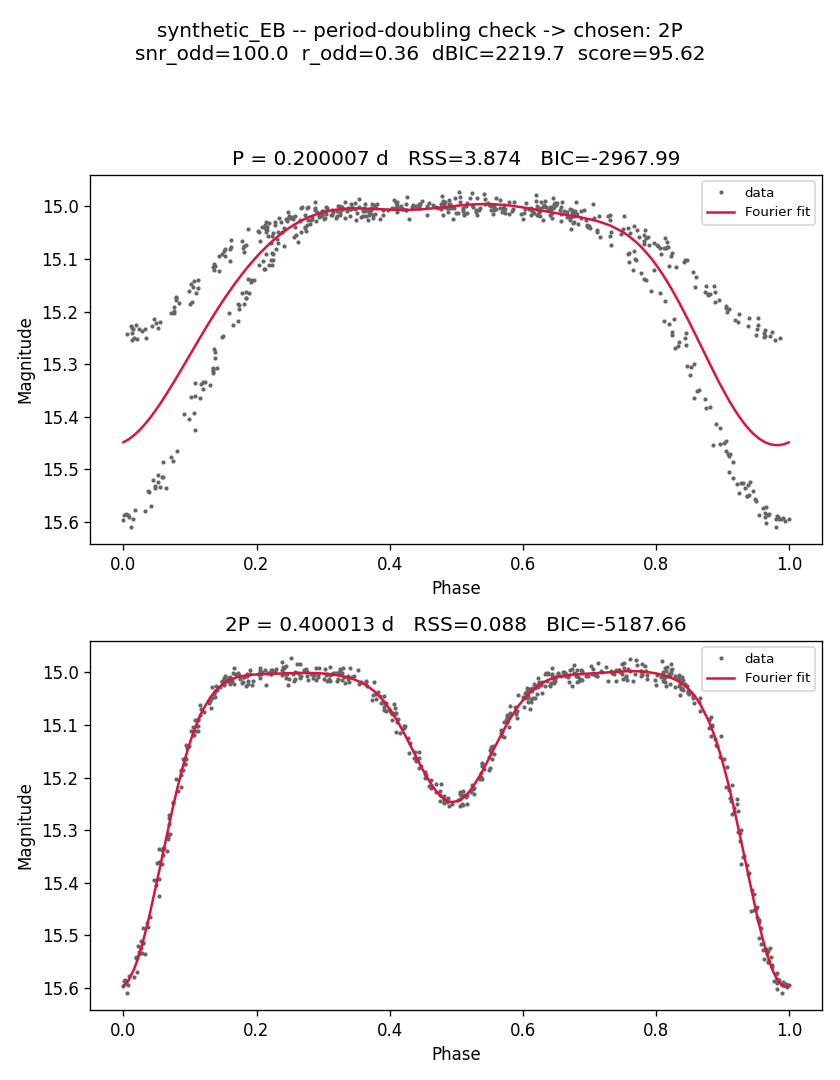
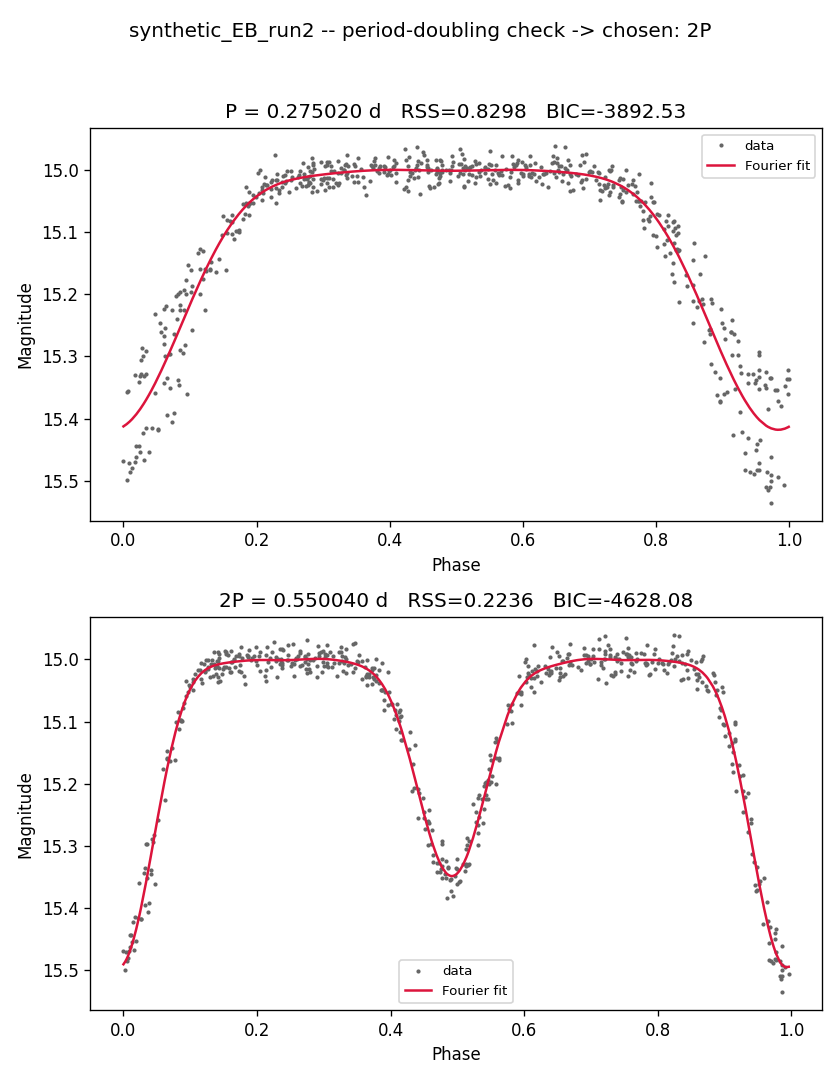
GitHub repository ↗I led a team of five building an add-on module for UPSILoN, a classifier that reads a star's light curve and says what kind of variable it is.
The problem we set out to fix: the classifier sometimes locks onto half the real period, and that mistake sends the star into the wrong class. Our fix fits the light curve twice, and uses the BIC criterion to decide which fit is supported the best. When it's a close call, we bring in extra features, like the peaks' oddity, to settle it.
Python, built on UPSILoN, with NumPy, SciPy, and scikit-learn.
I led a team of three MIPT developers to build ConstellationGame, a web game for learning the night sky. Players practise identifying stars and constellations by competing against an AI opponent. The game is live and is used to train younger students at summer astronomy camps.
Built with C++ for the backend, Python for the rendering module, and Spring Boot for the client service.
Independent Researcher
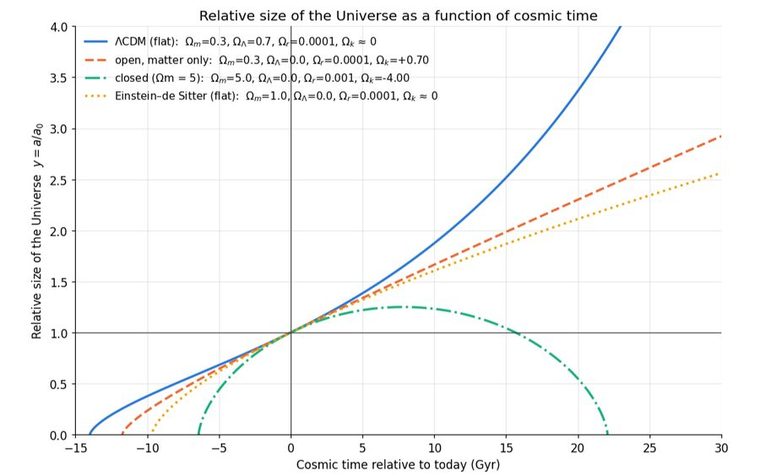
GitHub repository ↗An independent project on cosmic expansion. I derived the Friedmann equation from Newtonian gravity, built cosmological models with different contents, and simulated their expansion using RK4. I explored possible scenarios for the Universe's future and estimated its present age.
Mentored by Svetlana Kolyakina, Head of the Science Department at Letovo School. Built with NumPy, SciPy, and Matplotlib in a Jupyter notebook.
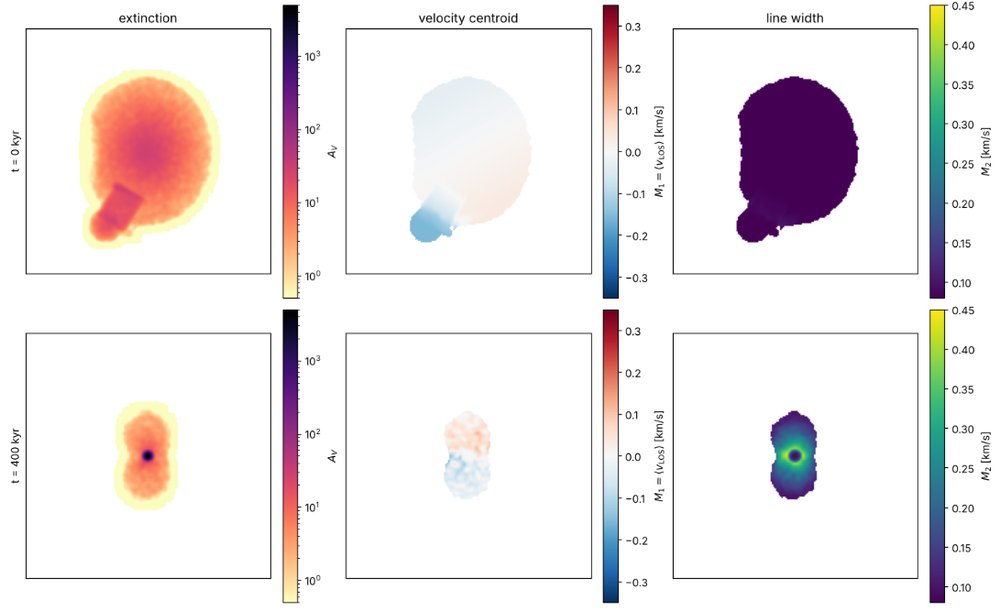
This was my final paper for a Data Analytics in Python course, done with the IKBFU astrophysics laboratory. I turned the flat silhouette model of Barnard 68 into a 3D particle cloud with a physical Bonnor-Ebert density profile, then simulated its collision with a companion globule by integrating particle paths.
Mentored by Alexei Baigashov, Head of the Astronomy Society and Junior Researcher at the IKBFU Astrophysics Laboratory. Built with NumPy, SciPy, Matplotlib, and contourpy.